来源网站: 爱的秘诀在于善良——《大西洋月刊》 --- The Secret to Love Is Just Kindness - The Atlantic
The Secret to Love Is Just Kindness
爱的秘诀在于善良
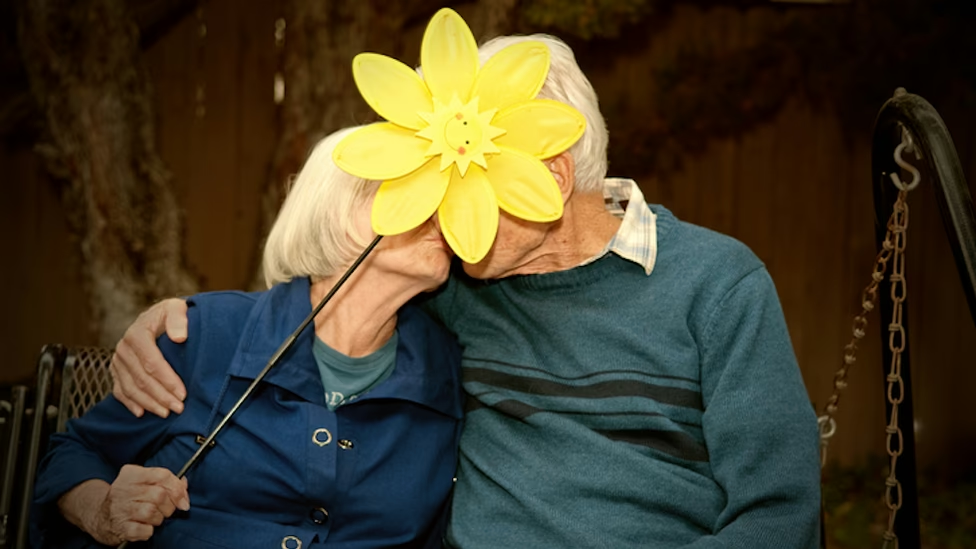
Every day in June, the most popular wedding month of the year, about 13,000 American couples will say “I do,” committing to a lifelong relationship that will be full of friendship, joy, and love that will carry them forward to their final days on this earth.
每年六月是结婚最热门的月份,每天约有 13,000 对美国夫妇会说出“我愿意”,承诺建立一段充满友谊、欢乐和爱的终身关系,这段关系将陪伴他们走到生命的尽头。
Except, of course, it doesn’t work out that way for most people. The majority of marriages fail, either ending in divorce and separation or devolving into bitterness and dysfunction. Of all the people who get married, only three in 10 marriages remain healthy and happy, as the psychologist Ty Tashiro points out in his book The Science of Happily Ever After, which was published earlier this year.
当然,对大多数人来说,事情并非如此。大多数婚姻最终都会失败,要么以离婚分居告终,要么演变成充满怨恨和功能失调的婚姻。正如心理学家泰·塔什罗(Ty Tashiro)在今年早些时候出版的《幸福婚姻的科学》(The Science of Happily Ever After) 一书中指出的那样,在所有结婚的人中,只有十分之三的婚姻能够保持健康幸福。
Social scientists first started studying marriages by observing them in action in the 1970s in response to a crisis: Married couples were divorcing at unprecedented rates. Worried about the impact these divorces would have on the children of the broken marriages, psychologists decided to cast their scientific net on couples, bringing them into the lab to observe them and determine what the ingredients of a healthy, lasting relationship were. Was each unhappy family unhappy in its own way, as Tolstoy claimed, or did the miserable marriages all share something toxic in common?
社会科学家在20世纪70年代开始通过观察婚姻的实际运作来研究婚姻,这源于一场危机:已婚夫妇的离婚率空前高涨。心理学家担心这些离婚会对破碎婚姻中的孩子造成影响,于是决定将科学研究的目光投向夫妻,将他们带入实验室进行观察,以确定健康持久关系的要素。正如托尔斯泰所说,每个不幸的家庭都有其独特的不幸之处吗?还是说,所有痛苦的婚姻都存在某种共同的毒瘤?
The psychologist John Gottman was one of those researchers. For the past four decades, he has studied thousands of couples in a quest to figure out what makes relationships work. I recently had the chance to interview Gottman and his wife, Julie, also a psychologist, in New York City. Together, the renowned experts on marital stability run the Gottman Institute, which is devoted to helping couples build and maintain loving, healthy relationships based on scientific studies.
心理学家约翰·戈特曼就是这些研究者之一。在过去的四十年里,他研究了数千对夫妇,试图找出维系婚姻关系的秘诀。我最近有机会在纽约市采访了戈特曼和他的妻子朱莉,朱莉也是一位心理学家。这对婚姻稳定领域的知名专家共同运营着戈特曼研究所,该研究所致力于帮助夫妇们基于科学研究建立和维持充满爱与健康的婚姻关系。
John Gottman began gathering his most crucial findings in 1986, when he set up the “Love Lab” with his colleague Robert Levenson at the University of Washington. Gottman and Levenson brought newlyweds into the lab and watched them interact with each other. With a team of researchers, they hooked the couples up to electrodes and asked the couples to speak about their relationship, including details such as how they met, a major conflict they were facing together, and a positive memory they had. As they spoke, the electrodes measured the subjects’ blood flow, heart rates, and how much sweat they produced. Then the researchers sent the couples home and followed up with them six years later to see if they were still together.
约翰·戈特曼于1986年开始收集他最重要的研究成果,当时他与同事罗伯特·莱文森在华盛顿大学建立了“爱情实验室”。戈特曼和莱文森将新婚夫妇带到实验室,观察他们的互动。他们与研究团队一起,为这些夫妇连接电极,并要求他们谈论彼此的关系,包括相识过程、共同面临的重大冲突以及一段美好的回忆等细节。在他们交谈的过程中,电极测量了受试者的血流量、心率和出汗量。之后,研究人员让这些夫妇回家,并在六年后对他们进行随访,了解他们是否仍然在一起。
From the data they gathered, Gottman separated the couples into two major groups: the masters and the disasters. The masters were still happily together after six years. The disasters had either broken up or were chronically unhappy in their marriages. When the researchers analyzed the data they gathered on the couples, they saw clear differences between the masters and disasters. The disasters looked calm during the interviews, but their physiology, measured by the electrodes, told a different story. Their heart rates were quick, their sweat glands were active, and their blood flow was fast. Following thousands of couples longitudinally, Gottman found that the more physiologically active the couples were in the lab, the quicker their relationships deteriorated over time.
根据收集到的数据,戈特曼将夫妻分为两大类: 婚姻美满组和婚姻破裂组 。婚姻美满组在六年之后依然幸福美满,而婚姻破裂组则要么已经分手,要么长期处于婚姻不幸福的状态。研究人员分析了收集到的夫妻数据后发现,婚姻美满组和婚姻破裂组之间存在明显的差异。婚姻破裂组在访谈中看起来很平静,但电极测量的生理指标却揭示了截然不同的情况:他们的心率加快,汗腺活跃,血液流动也很快。戈特曼对数千对夫妻进行了长期追踪研究,发现夫妻在实验室中生理活动越活跃,他们的关系随着时间的推移恶化得就越快。
But what does physiology have to do with anything? The problem was that the disasters showed all the signs of arousal—of being in fight-or-flight mode—in their relationships. Having a conversation sitting next to their spouse was, to their bodies, like facing off with a saber-toothed tiger. Even when they were talking about pleasant or mundane facets of their relationships, they were prepared to attack and be attacked. This sent their heart rates soaring and made them more aggressive toward each other. For example, each member of a couple could be talking about how their days had gone, and a highly aroused husband might say to his wife, “Why don’t you start talking about your day. It won’t take you very long.”
但生理因素究竟与此有何关系呢?问题在于,这些灾难都展现出伴侣关系中处于高度兴奋状态——即处于“战斗或逃跑”模式——的所有迹象。对他们而言,与伴侣并肩而坐交谈,就如同面对一只剑齿虎。即便谈论的是关系中令人愉悦或琐碎的日常,他们也时刻准备着攻击和被攻击。这导致他们的心率飙升,彼此之间更具攻击性。例如,夫妻双方可能都在谈论各自的一天,而情绪高度兴奋的丈夫可能会对妻子说:“你为什么不开始说说你今天过得怎么样呢?不会占用你太多时间的。”
The masters, by contrast, showed low physiological arousal. They felt calm and connected together, which translated into warm and affectionate behavior, even when they fought. It’s not that the masters had, by default, a better physiological makeup than the disasters; it’s that masters had created a climate of trust and intimacy that made both of them more emotionally and thus physically comfortable.
相比之下,大师们的生理唤醒水平较低。他们感到平静,彼此之间联系紧密,即使在争吵时,这种平静也转化为温暖而亲密的行为。这并非意味着大师们天生就比灾难者拥有更好的生理素质;而是因为大师们营造了一种信任和亲密的氛围,使彼此在情感上,进而在生理上都更加舒适。
Gottman wanted to know more about how the masters created that culture of love and intimacy, and how the disasters squashed it. In a follow-up study in 1990, he designed a lab on the University of Washington campus to look like a beautiful bed-and-breakfast retreat. He invited 130 newlywed couples to spend the day at this retreat and watched them as they did what couples normally do on vacation: cook, clean, listen to music, eat, chat, and hang out. And Gottman made a crucial discovery in this study—one that gets at the heart of why some relationships thrive while others languish.
戈特曼想更深入地了解那些婚姻大师是如何营造出那种充满爱与亲密的氛围,以及婚姻中的种种不幸又是如何摧毁它的。在1990年的一项后续研究中,他在华盛顿大学校园里设计了一个实验室,将其布置成一个环境优美的民宿度假胜地。他邀请了130对新婚夫妇来这里度过一天,观察他们像其他情侣一样度假:做饭、打扫卫生、听音乐、吃饭、聊天、休闲放松。戈特曼在这项研究中取得了一项至关重要的发现——这项发现触及了某些婚姻关系能够蓬勃发展而另一些则走向衰败的根本原因。
Throughout the day, partners would make requests for connection, what Gottman calls “bids.” For example, say that the husband is a bird enthusiast and notices a goldfinch fly across the yard. He might say to his wife, “Look at that beautiful bird outside!” He’s not just commenting on the bird here: He’s requesting a response from his wife—a sign of interest or support—hoping they’ll connect, however momentarily, over the bird.
在一天中,伴侣们会发出各种寻求联系的请求,戈特曼称之为“邀约”。例如,假设丈夫是一位观鸟爱好者,他注意到一只金翅雀飞过院子。他可能会对妻子说:“看,外面那只鸟真漂亮!”他不仅仅是在评论这只鸟:他是在请求妻子的回应——一种兴趣或支持的信号——希望他们能因为这只鸟而建立起哪怕短暂的联系。
The wife now has a choice. She can respond by either “turning toward” or “turning away” from her husband, as Gottman puts it. Though the bird-bid might seem minor and silly, it can actually reveal a lot about the health of the relationship. The husband thought the bird was important enough to bring it up in conversation and the question is whether his wife recognizes and respects that.
现在妻子面临一个选择。正如戈特曼所说,她可以选择“靠近”丈夫,也可以选择“远离”丈夫。虽然这只鸟的举动看似微不足道,甚至有些滑稽,但它实际上却能反映出夫妻关系的健康状况。丈夫认为这只鸟很重要,所以才把它提了出来,问题在于他的妻子是否理解并尊重这一点。
People who turned toward their partners in the study responded by engaging the bidder, showing interest and support in the bid. Those who didn’t—those who turned away—would not respond or respond minimally and continue doing whatever they were doing, like watching TV or reading the paper. Sometimes they would respond with overt hostility, saying something like, “Stop interrupting me, I’m reading.”
研究中,那些转向同伴的人会积极回应竞标者,表现出兴趣和支持。而那些没有回应的人——也就是那些转过身去的人——要么不回应,要么只是敷衍了事,继续做着自己正在做的事情,比如看电视或读报纸。有时,他们还会表现出明显的敌意,比如说道:“别打断我,我在看书。”
These bidding interactions had profound effects on marital well-being. Couples who had divorced after a six-year follow-up had “turn-toward bids” 33 percent of the time. Only three in 10 of their bids for emotional connection were met with intimacy. The couples who were still together after six years had “turn-toward bids” 87 percent of the time. Nine times out of 10, they were meeting their partner’s emotional needs.
这些情感互动对婚姻幸福感产生了深远的影响。在六年随访后离婚的夫妇中,有33%的“转向式请求”得到了回应。然而,他们寻求情感联结的请求中,只有十分之三最终获得了亲密关系的满足。而六年之后仍然在一起的夫妇中,有87%的“转向式请求”得到了回应。他们十次中有九次满足了伴侣的情感需求。
By observing these types of interactions, Gottman can predict with up to 94 percent certainty whether couples—straight or gay, rich or poor, childless or not—will be broken up, together and unhappy, or together and happy several years later. Much of it comes down to the spirit couples bring to the relationship. Do they bring kindness and generosity or contempt, criticism, and hostility?
通过观察这类互动,戈特曼可以以高达94%的准确率预测,几年后,无论异性恋还是同性恋,无论贫富,无论是否有子女,伴侣关系是会破裂、不幸福还是幸福美满。这很大程度上取决于伴侣们为这段关系注入的精神。他们带来的是善良和慷慨,还是轻蔑、批评和敌意?
“There’s a habit of mind that the masters have,” Gottman explained in an interview, “which is this: They are scanning social environments for things they can appreciate and say ‘thank you’ for. They are building this culture of respect and appreciation very purposefully. Disasters are scanning the social environment for partners’ mistakes.”
戈特曼在一次采访中解释说:“大师们有一种思维习惯,那就是:他们会观察周围的社会环境,寻找值得欣赏和感谢的事物。他们有意识地构建这种尊重和欣赏的文化。而灾难制造者则会观察周围的社会环境,寻找合作伙伴的错误。”
“It’s not just scanning environment,” chimed in Julie Gottman. “It’s scanning the partner for what the partner is doing right or scanning him for what he’s doing wrong and criticizing versus respecting him and expressing appreciation.”
“这不仅仅是观察环境,”朱莉·戈特曼插话道,“还要观察合作伙伴 ,看看他/她哪些地方做得对,哪些地方做得不对,然后批评他/她,而不是尊重他/她并表达赞赏。”
Contempt, they have found, is the No. 1 factor that tears couples apart. People who are focused on criticizing their partners miss a whopping 50 percent of positive things their partners are doing, and they see negativity when it’s not there. People who give their partner the cold shoulder—deliberately ignoring the partner or responding minimally—damage the relationship by making their partner feel worthless and invisible, as if they’re not there, not valued. And people who treat their partners with contempt and criticize them kill not only the love in the relationship but also their partner’s ability to fight off viruses and cancers. Being mean is the death knell of relationships.
研究发现,蔑视是导致伴侣关系破裂的首要因素。那些一心只想批评伴侣的人,会错过伴侣身上高达 50%的积极品质,并且会无中生有地看到负面情绪。那些对伴侣冷眼相待——故意忽视或敷衍回应——的人,会让伴侣感到自己毫无价值、如同隐形人一般,仿佛自己根本不存在,不被重视,从而损害了彼此的关系。而那些蔑视和批评伴侣的人,不仅会扼杀爱情,还会削弱伴侣抵抗病毒和癌症的能力 。刻薄无情是关系的丧钟。
Kindness, on the other hand, glues couples together. Research independent from theirs has shown that kindness (along with emotional stability) is the most important predictor of satisfaction and stability in a marriage. Kindness makes each partner feel cared for, understood, and validated—loved. “My bounty is as boundless as the sea,” says Shakespeare’s Juliet. “My love as deep; the more I give to thee, / The more I have, for both are infinite.” That’s how kindness works too: A great deal of evidence shows that the more someone receives or witnesses kindness, the more they will be kind themselves, which leads to upward spirals of love and generosity in a relationship.
另一方面,善良能将伴侣紧紧联系在一起。独立于他们的研究表明,善良(以及情绪稳定性)是婚姻满意度和稳定性的最重要预测因素。善良让每一位伴侣都感到被关心、被理解、被认可——被爱。“我的慷慨如大海般无边无际,”莎士比亚笔下的朱丽叶说道,“我的爱如大海般深沉;我给予你的越多,/我拥有的也越多,因为两者都是无限的。”善良的作用也是如此:大量证据表明,一个人越是感受到或目睹善良,他们自己就越会展现善良,这会在一段关系中形成爱与慷慨的良性循环。
There are two ways to think about kindness. You can think about it as a fixed trait: Either you have it or you don’t. Or you could think of kindness as a muscle. In some people, that muscle is naturally stronger than in others, but it can grow stronger in everyone with exercise. Masters tend to think about kindness as a muscle. They know that they have to exercise it to keep it in shape. They know, in other words, that a good relationship requires sustained hard work.
看待善良有两种方式。你可以把它看作一种固定的特质:要么你有,要么你没有。或者你可以把善良想象成一块肌肉。有些人天生就比其他人更强壮,但通过锻炼,每个人都能增强这种能力。高手往往把善良看作一块肌肉。他们知道必须锻炼它才能保持良好状态。换句话说,他们明白,良好的人际关系需要持续的努力。
“If your partner expresses a need,” explained Julie Gottman, “and you are tired, stressed, or distracted, then the generous spirit comes in when a partner makes a bid, and you still turn toward your partner.”
“如果你的伴侣表达了需求,”朱莉·戈特曼解释说,“而你又很累、压力很大或心不在焉,那么当伴侣提出要求时,慷慨的精神就会显现出来,而你仍然会向你的伴侣寻求帮助。”
In that moment, the easy response may be to turn away from your partner and focus on your iPad or your book or the television, to mumble “Uh-huh” and move on with your life, but neglecting small moments of emotional connection will slowly wear away at your relationship. Neglect creates distance between partners and breeds resentment in the one who is being ignored.
那一刻,最简单的反应或许是转过身去,把注意力放在 iPad、书本或电视上,咕哝几声“嗯哼”,然后继续过自己的生活。但忽略这些细微的情感联结,会慢慢侵蚀你们的关系。忽视会在伴侣之间制造隔阂,并在被忽视的一方心中滋生怨恨。
The hardest time to practice kindness is, of course, during a fight—but this is also the most important time to be kind. Letting contempt and aggression spiral out of control during a conflict can inflict irrevocable damage on a relationship.
当然,最难做到善意的时候莫过于争吵之时——但这同时也是展现善意最关键的时刻。如果在冲突中任由轻蔑和攻击情绪失控,可能会对彼此的关系造成无法挽回的伤害。
“Kindness doesn’t mean that we don’t express our anger,” Julie Gottman explained, “but the kindness informs how we choose to express the anger. You can throw spears at your partner. Or you can explain why you’re hurt and angry, and that’s the kinder path.”
“善良并不意味着我们不表达愤怒,”朱莉·戈特曼解释说,“而是善良影响我们选择表达愤怒的方式。你可以向你的伴侣扔长矛,也可以解释你为什么感到受伤和愤怒,这才是更善良的方式。”
John Gottman elaborated on those spears: “Disasters will say things differently in a fight. Disasters will say ‘You’re late. What’s wrong with you? You’re just like your mom.’ Masters will say ‘I feel bad for picking on you about your lateness, and I know it’s not your fault, but it’s really annoying that you’re late again.’”
约翰·戈特曼进一步阐述了这些观点:“灾难型人格在争吵中会用不同的方式表达。灾难型人格会说‘你迟到了。你怎么了?你跟你妈一样。’而大师型人格则会说‘我很抱歉因为你迟到而责怪你,我知道这不是你的错,但你又迟到了真的很烦人。’”
For the hundreds of thousands of couples getting married this month—and for the millions of couples currently together, married or not—the lesson from the research is clear: If you want to have a stable, healthy relationship, exercise kindness early and often.
对于本月即将结婚的数十万对新人,以及目前在一起的数百万对情侣(无论是否已婚),这项研究得出的结论很明确:如果你想要一段稳定、健康的感情,就要尽早并经常地展现你的善意。
When people think about practicing kindness, they often think about small acts of generosity, such as buying each other little gifts or giving one another back rubs every now and then. While those are great examples of generosity, kindness can also be built into the very backbone of a relationship through the way partners interact with each other on a day-to-day basis, whether or not there are back rubs and chocolates involved.
人们想到行善时,往往会想到一些小小的慷慨之举,比如互赠小礼物或偶尔互相按摩背部。这些固然是慷慨的绝佳例子,但善意也可以融入一段关系的基石,体现在伴侣日常的互动中,而与按摩和巧克力无关。
One way to practice kindness is by being generous about your partner’s intentions. From the research of the Gottmans, we know that disasters see negativity in their relationship even when it is not there. An angry wife may assume, for example, that when her husband left the toilet seat up, he was deliberately trying to annoy her. But he may have just absent-mindedly forgotten to put the seat down.
践行善举的一种方式是宽容地看待伴侣的意图。戈特曼夫妇的研究表明,即使关系中并不存在负面因素,有婚姻危机的人也会在关系中看到负面情绪。例如,一位愤怒的妻子可能会认为,丈夫忘记放下马桶盖是故意惹她生气。但他可能只是心不在焉地忘记放下马桶盖而已。
Or say a wife is running late to dinner (again), and the husband assumes that she doesn’t value him enough to show up to their date on time after he took the trouble to make a reservation and leave work early so that they could spend a romantic evening together. But it turns out that the wife was running late because she stopped by a store to pick him up a gift for their special night out. Imagine her joining him for dinner, excited to deliver her gift, only to realize that he’s in a sour mood because he misinterpreted what was motivating her behavior. The ability to interpret your partner’s actions and intentions charitably can soften the sharp edge of conflict.
比如说,妻子又一次晚餐迟到了,丈夫以为妻子不够重视他,在他费心预订餐厅、提前下班只为共度浪漫夜晚之后,妻子竟然没有准时赴约。但事实证明,妻子迟到是因为她顺路去商店给他买了一份特别的晚餐礼物。想象一下,她兴高采烈地赴约,准备把礼物送给他,却发现他因为误解了妻子迟到的真正原因而心情不好。善意地解读伴侣的行为和意图,可以缓和冲突的尖锐之处。
“Even in relationships where people are frustrated, it’s almost always the case that there are positive things going on and people trying to do the right thing,” Tashiro, the psychologist, told me. “A lot of times, a partner is trying to do the right thing even if it’s executed poorly. So appreciate the intent.”
“即使在人际关系中,如果双方都感到沮丧,也几乎总会有一些积极的事情发生,而且双方都在努力做正确的事情,”心理学家田代告诉我。“很多时候,伴侣即使做得不好,也是出于好意。所以,要欣赏他们的初衷。”
Another powerful kindness strategy revolves around shared joy. One of the telltale signs of the disaster couples Gottman studied was their inability to connect over each other’s good news. When one person in the relationship shared the good news of, say, a promotion at work with excitement, the other would respond with wooden disinterest by checking his watch or shutting the conversation down with a comment like “That’s nice.”
另一种有效的善意策略围绕着分享喜悦展开。戈特曼研究的那些婚姻破裂的伴侣,其中一个显著的特征就是他们无法就彼此的好消息进行交流。例如,当伴侣中的一方兴奋地分享升职之类的好消息时,另一方却会表现得漠不关心,要么看看手表,要么用一句“真好”之类的话结束对话。
We’ve all heard that partners should be there for each other when the going gets rough. But research shows that being there for each other when things go right is actually more important for relationship quality. How someone responds to a partner’s good news can have dramatic consequences for the relationship.
我们都听过伴侣应该在彼此遇到困难时互相扶持。但研究表明,在顺境中互相支持实际上对维系关系质量更为重要。一个人如何回应伴侣的喜讯,会对这段关系产生深远的影响。
In one study from 2006, the psychological researcher Shelly Gable and her colleagues brought young-adult couples into the lab to discuss recent positive events from their lives. The psychologists wanted to know how partners would respond to each other’s good news. They found that, in general, couples responded to each other’s good news in four different ways that they called passive destructive, active destructive, passive constructive, and active constructive.
在 2006 年的一项研究中,心理学家雪莉·盖博(Shelly Gable)及其同事邀请年轻夫妇到实验室,讨论他们生活中最近发生的积极事件。心理学家们想了解伴侣们会如何回应彼此的好消息。他们发现,总体而言,伴侣们对彼此好消息的反应方式有四种,他们分别称之为被动破坏型 、 主动破坏型、 被动建设型和主动建设型 。
Let’s say that one partner had recently received the excellent news that she got into medical school. She would say something like “I got into my top-choice med school!”
假设一位合伙人最近收到了她被医学院录取的好消息。她可能会说:“我被我最想去的医学院录取了!”
If her partner responded in a passive destructive manner, he would ignore the event. For example, he might say something like “You wouldn’t believe the great news I got yesterday! I won a free T-shirt!”
如果她的伴侣采取被动破坏性的方式回应,他会忽略这件事。例如,他可能会说:“你绝对想不到我昨天听到的好消息!我赢了一件免费 T 恤!”
If her partner responded in a passive constructive way, he would acknowledge the good news, but in a half-hearted, understated way. A typical passive-constructive response is saying “That’s great, babe” as he texts his buddy on his phone.
如果她的伴侣以一种被动的建设性方式回应,他会承认这个好消息,但语气冷淡、敷衍了事。典型的被动建设性回应是,他一边用手机给朋友发短信,一边说“太好了,宝贝”。
In the third kind of response, active destructive, the partner would diminish the good news his partner just got: “Are you sure you can handle all the studying? And what about the cost? Med school is so expensive!”
第三种反应是主动破坏性反应 ,在这种情况下,伴侣会贬低对方刚刚得到的好消息:“你确定你能应付所有的学习吗?还有费用怎么办?医学院那么贵!”
Finally, there’s active constructive responding. If her partner responded in this way, he stopped what he was doing and engaged wholeheartedly with her: “That’s great! Congratulations! When did you find out? Did they call you? What classes will you take first semester?”
最后,还有积极建设性的回应。如果她的伴侣以这种方式回应,他会停下手中的事情,全心全意地与她交流:“太棒了!恭喜!你是什么时候知道的?他们打电话给你了吗?你第一学期打算选哪些课?”
Among the four response styles, active-constructive responding is the kindest. While the other response styles are joy killers, active-constructive responding allows the partner to savor her joy and gives the couple an opportunity to bond over the good news. In the parlance of the Gottmans, active-constructive responding is a way of “turning toward” your partner’s bid (sharing the good news) rather than “turning away” from it.
在四种回应方式中,积极建设性回应是最温和的。其他回应方式往往会破坏喜悦,而积极建设性回应则能让伴侣尽情享受喜悦,并让夫妻有机会共同分享好消息,增进彼此的感情。用戈特曼夫妇的话来说,积极建设性回应是一种“回应”伴侣的请求(分享好消息)的方式,而不是“逃避”它。
Active-constructive responding is crucial for healthy relationships. In the 2006 study, Gable and her colleagues followed up with the couples two months later to see if they were still together. The psychologists found that the only difference between the couples who were together and those who broke up was active-constructive responding. Those who showed genuine interest in their partner’s joys were more likely to be together. In an earlier study, Gable found that active-constructive responding was also associated with higher relationship quality and more intimacy between partners.
积极建设性的回应对于健康的伴侣关系至关重要。在 2006 年的一项研究中,盖博及其同事在两个月后对这些伴侣进行了回访,以了解他们是否仍然在一起。心理学家发现,仍在交往的伴侣和分手的伴侣之间唯一的区别在于积极建设性的回应。那些对伴侣的快乐表现出真诚兴趣的伴侣更有可能继续在一起。在早期的一项研究中,盖博发现积极建设性的回应也与更高的关系质量和更亲密的伴侣关系相关。
There are many reasons why relationships fail, but if you look at what drives the deterioration of many relationships, it’s often a breakdown of kindness. As the normal stresses of a life together pile up—with children, careers, friends, in-laws, and other distractions crowding out the time for romance and intimacy—couples may put less effort into their relationship and let the petty grievances they hold against each other tear them apart. In most marriages, levels of satisfaction drop dramatically within the first few years together. But among couples who not only endure but live happily together for years and years, the spirit of kindness and generosity guides them forward.
导致感情破裂的原因有很多,但如果你探究许多感情走向衰败的根源,你会发现往往是彼此缺乏善意。随着共同生活的种种压力——孩子、事业、朋友、 姻亲以及其他琐事占据了浪漫和亲密的时间——夫妻双方可能会减少对彼此关系的投入,任由那些鸡毛蒜皮的小事最终导致分崩离析。大多数婚姻的满意度会在最初几年内急剧下降。然而,那些不仅能够携手走过漫长岁月,而且幸福美满的夫妻,正是善意和慷慨的精神指引着他们走向未来。